






In January 2012, and Nigeria was in the grip of unprecedented protests over the attempt to remove fuel subsidy by former President Goodluck Jonathan. Streets were clogged with angry citizens, businesses shut down, and voices of dissent rang across the nation.
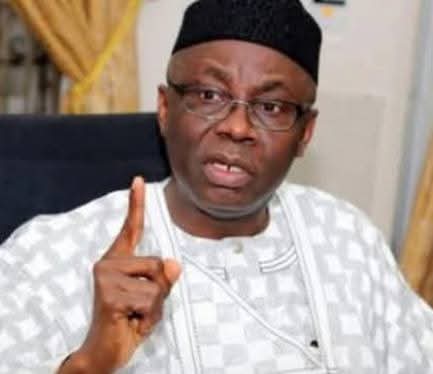
Among the fiercest warnings came from Pastor Tunde Bakare, who told Jonathan directly“Jonathan, you won’t get much sleep. Your supporters won’t either. When morning comes, you’ll be hit with a migraine. By evening, expect a stomach ache. If you don’t leave soon, you might face a fate like Abacha’s. If you stay, you could end up like Yar’adua”.
The protests, widely seen as part of the Occupy Nigeria Movement, were not only fueled by grassroots frustration but also backed by opposition leaders, including former Lagos State Governor Bola Ahmed Tinubu and former Head of State Muhammadu Buhari. Their involvement amplified the movement, which ultimately forced Jonathan to partially reverse the subsidy removal.
Tinubu, then national leader of the Action Congress of Nigeria (ACN), condemned the policy as economically destructive, calling it the “Jonathan tax” and accusing then President Jonathan of breaking his social contract with Nigerians.
In a piece titled ‘Removal of oil subsidy: President Jonathan breaks social contract with the people’, he wrote “By taking this step, the government has tossed the people into the depths of the midnight sea. Government demands the people swim to safety under their own power, claiming the attendant hardship will build character and add efficiency to the national economy. It is easy to make these claims when one is dry and on shore. Government would have us believe that every hardship it manufactures for the people to endure is a good thing. This is a lie. The hardships they thrust upon the poor often bear no other purpose than to keep them poor. This is such a time.”
He argued further, “I am not calling President Jonathan an evil man. I do not believe he is perverse. However, the economic ideas controlling him are so misguided that they have a perverse impact. Because he is slave to wrong-headed economics, the people will become enslaved to greater misery. This crisis will bear his name and will be his legacy. The people now pay a steep tax for voting him into office. The removal of the subsidy is the ‘Jonathan tax.’ This situation shows that ideas count more than personalities. People may occupy office but how that person performs depends on the ideas that occupy his mind.”
The combined force of civic unrest and political opposition compelled Jonathan to halt the full removal of the subsidy. Analysts argued that the episode weakened his public standing and contributed to his eventual defeat in the 2015 presidential election to Muhammadu Buhari. Buhari spent eight years in office but largely retained the subsidy, despite having opposed it in 2012, citing economic and social risks.
In a twist of political irony, Bola Ahmed Tinubu, who had vocally opposed subsidy removal while out of office, assumed the presidency in 2023 and immediately removed the subsidy. Observers and citizens alike have described this as a striking case of political double standards, highlighting how leaders can adopt policies they once condemned once they attain power.
Pastor Bakare’s fiery warning, Tinubu’s critique, and the nationwide protests remain central to discussions about leadership, accountability, and governance in Nigeria. He added that the events of 2012 serve as a lasting reminder that political stances, economic decisions, and public pressure can shape electoral outcomes and national policy.
More than a decade later, Nigerians continue to debate the consequences of the subsidy removal and the contradictions of political leadership, illustrating the enduring tension between rhetoric and governance in the country.