









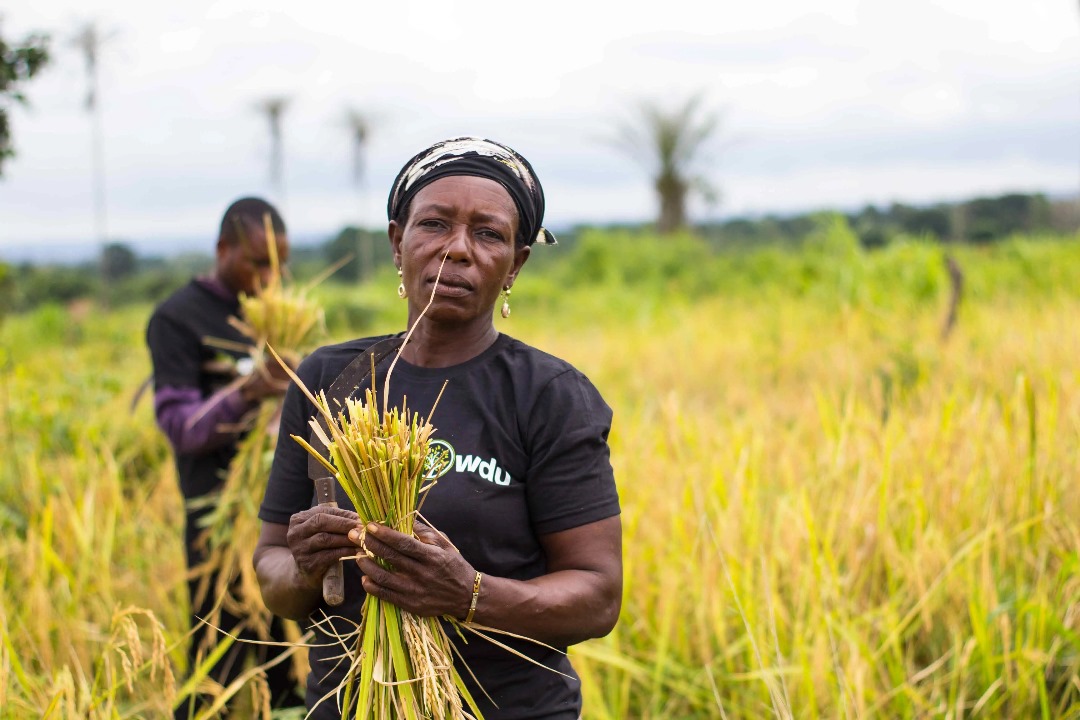
Across Nigeria’s farming belts from the grain fields of the North Central region to the vegetable farms in the South West, a sense of despair has settled over farmers this season. Trill Times News Reporter visited several villages to hear directly from farmers grappling with skyrocketing production costs and crashing market prices, uncovering a growing crisis that threatens the future of agriculture in the country.
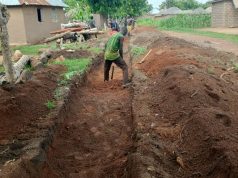
Mrs Julmichit Nansel, a seasoned maize farmer in Langtang South, Plateau State reveals “I spent more on chemicals than I earned from my maize,”. Standing on her harvested field, she reflects on the financial strain.
Mrs Yakubu says she is seriously considering leaving parts of her land unplanted next year, as the losses have become unbearable “A litre of herbicide that cost ₦1,800 last year now sells for over ₦7,000, and fertiliser has jumped from ₦8,000 to above ₦35,000. After all that, a bag of maize only sells for ₦20,000. How can anyone survive under these conditions?”
Mrs. Grace Oladipo, a vegetable farmer in Oyo State shares “We are producing at a loss; the market is against us,”. She recounts her struggles selling tomatoes at local markets.
She lamented “I bring my tomatoes to market, but many remain unsold because buyers refuse to pay reasonable prices. Meanwhile, the cost of chemicals has nearly doubled. Sometimes, I have no choice but to give some away just to avoid wastage.”
Grace admits she is unsure how she will manage her farm if conditions do not improve next season.
A National Problem
Farmers from Kaduna, Benue, Nasarawa, Niger, Kano, and Taraba report the same dilemma: rising costs of fertilisers, pesticides, herbicides, and fuel, paired with depressed market prices that make profits almost impossible.
Agricultural economist Dr. Musa Tanko explains: “We are seeing a situation where the expenses of farming far exceed the income from harvests. Essentially, farmers are subsidising the nation’s food supply, which is unsustainable.”
From North West, a threat emerged “Next year, some of us may stop farming,” warns Bala Hassan, a rice farmer from Kebbi State.
He lamented “I borrowed ₦350,000 for fertiliser, but after selling my rice, I only recovered ₦190,000. I am still in debt. If this continues, many farmers will abandon their farms. We cannot keep losing money every season”
Bala notes that several members of his cooperative are already moving to urban areas in search of alternative livelihoods.
A Harvest Without Hope:
Across Nigeria, farmers are describing this season’s yield as a “hopeless harvest” not because of a lack of food, but because the financial returns are negligible.
Market traders confirm the trend. Mama Rashida, a seller in Kano’s Sabongari market, says “Farmers come to the market just trying to recover a little of their money. Buyers also have limited cash, so it’s a struggle all around.”
Implications for the Future:
Experts warn that if farmers scale back planting next year due to losses, Nigeria could face a sharper food shortage and even higher prices in the coming year.
Farmers are calling for urgent interventions: subsidised inputs, stable market structures, access to low-interest credit, and better government coordination of the food supply chain.
As Grace sums it up, “We love farming, and we want to keep farming, but hope cannot thrive where every season ends in loss.”