







By Nok P
It came as a shock to many residents of Jos when, during a recent news broadcast by AIT, a report mentioned an unknown community in Jos called “Jasawa.” For someone like me born and brought up in Plateau State this name sounded completely strange and deeply concerning. How did such a name appear on a national news platform? Is there truly a community by this name, or is this another subtle attempt to rewrite local history?
What Does ‘Jasawa’ Mean?
First, let’s be clear: “Jasawa” is not the name of any officially recognized village, ward, or settlement in Jos or anywhere in Plateau State. Instead, the word “Jasawa” is an informal term used by some Hausa-Fulani communities in Jos to describe themselves. It simply means “people of Jos” in Hausa (Jos + awa = Jasawa).
Over the years, the term has appeared in political discussions, especially around the sensitive issues of indigene-settler identity in Plateau State. Some Hausa-Fulani groups in Jos North, for example, refer to themselves as “Jasawa” to express their generations-long presence in the city and assert indigene rights.
Why Is This Name Sensitive?
The question of “who is an indigene?” in Plateau State is a deeply rooted and unresolved conflict that has fueled crises and tensions for decades. The city of Jos, historically home to indigenous groups like the Berom, Afizere, and Anaguta, has also been home to Hausa-Fulani communities for generations and disputes over identity, land, and political representation remain delicate issues.
In this context, the use of “Jasawa” is not an innocent label; it is politically charged. To the ears of many indigenous Plateau people, hearing “Jasawa community” framed as an actual place name can feel like a silent attempt to rename or rebrand parts of Jos in ways that could reshape historical claims to land and identity.
Where Is This ‘Community’ Located?
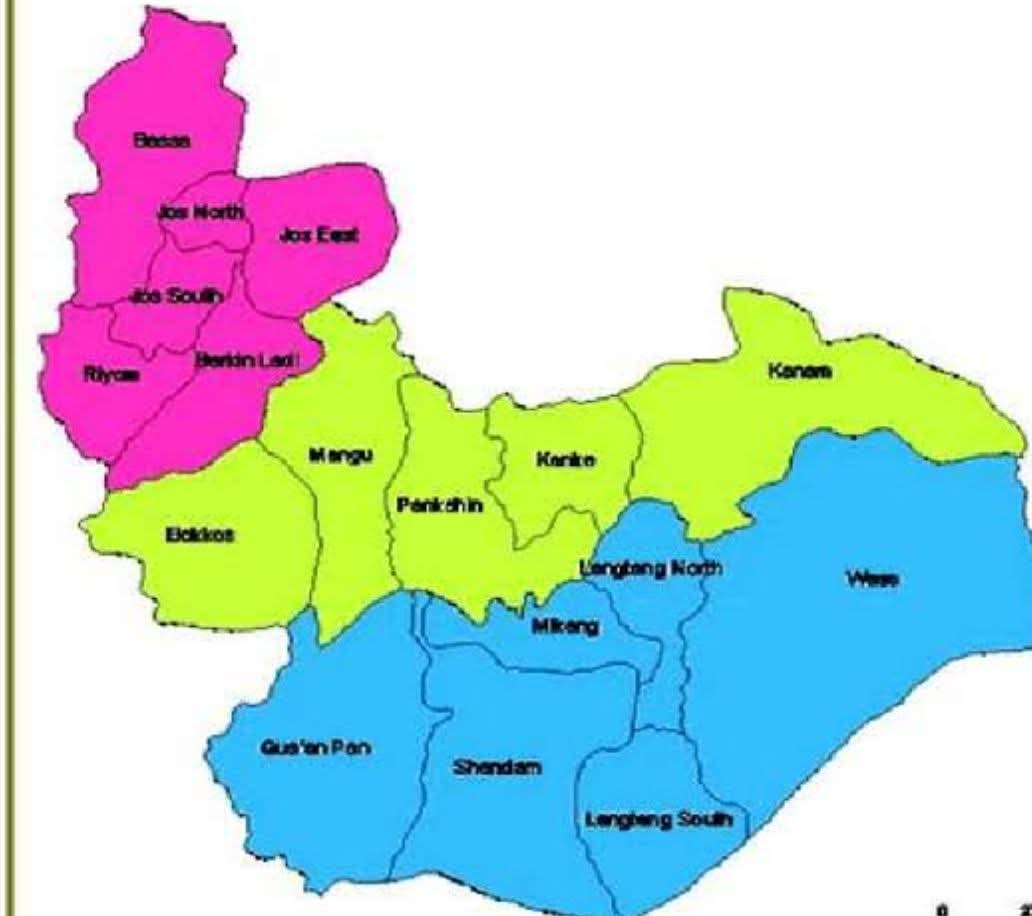
The simple answer is: nowhere. There is no village, ward, or neighborhood officially named “Jasawa” in any government gazette, map, or record. If AIT or any other media outlet refers to “the Jasawa community,” they mean the people not a geographic location. However, careless reporting can easily mislead the public into believing that a new settlement has been created or an old one secretly renamed.
Why Plateau People Must Pay Attention
Names matter. Communities and place names carry histories, cultures, and ownership rights. Renaming, whether subtle or open, has always been one way powerful interests lay claim to land and rewrite narratives. Today, it may be just a name dropped in a news report; tomorrow, it could be a justification for new political demands.
If we are not vigilant, we may one day wake up to find entire communities renamed in unfamiliar terms and by then, correcting the record might be too late. This is how people lose their ancestral identities not through outright force, but through quiet shifts in language that later become accepted as “history.”
Media outlets like AIT must be mindful of the language they use, especially when covering sensitive issues in multi-ethnic states like Plateau. Careless phrasing can inflame old wounds and spread confusion. We call on journalists, editors, and community leaders to clarify such terms when reporting, to avoid misleading the public.
There is no “Jasawa” community on the map of Jos. What exists is the idea of “Jasawa”a name used by some groups to stake a claim to Jos as theirs too. Whether one agrees with this or not, the fact remains: no official community has been renamed “Jasawa.”
Plateau people must stay alert, protect their heritage, and question any narrative that seeks to distort our identity because names are not just words; they are the roots that hold our communities together.
By Nok P
Concerned Citizen of Plateau State