










By Miri Timnan Nyantau (MTN)
Change doesn’t happen overnight for institutions. It unfolds gradually, marked by renewed confidence, purposeful decisions, and a visible improvement in the learning and working environment.
Sometimes, we do not find the most compelling signs of renewal in beautiful speeches or official documents but in the quiet, everyday progress that reshapes how an institution sees itself and its future.
This is exactly the journey taking place at Plateau State Polytechnic, Barkin Ladi, famously known as Plapoly. Founded in 1978, the Polytechnic has been an irreplaceable part of Nigeria’s technical and vocational education sector for nearly five decades.
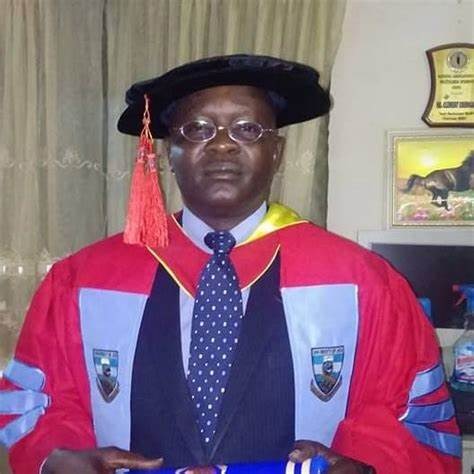
However, prior to Dr. Clement Selchum Chirman’s appointment, the institution faced alarming issues. Students’ admissions were at an all-time low, with existing academic programmes losing their accreditation. A lack of harmony with the unions led to recurring strikes, prompting many parents to withdraw their children in favour of Federal Polytechnic Bauchi and Federal Polytechnic Nasarawa. At one point, student enrolment had fallen below 3,000, but now, thanks to renewed efforts, there are over 8,000 students at the institution.
In this context, Dr. Chirman’s appointment as the new Rector was far more than just another administrative change. It marked the much needed moment for “Plapoly” that is yearning for more than just continuity; it needed a renewed sense of purpose and direction. The pressing question was whether new leadership could turn ambitious goals into tangible results and set the Polytechnic on a path to a more competitive future.
Now, one year into this new journey as substantive Rector, it’s time to take stock. While no new administration can claim to have solved every issue right away, the developments at the Polytechnic clearly confirms it has entered a phase of intentional renewal. Instead of solely measuring success by promises made, we’re beginning to see a narrative shaped by tangible actions and their potential impact on the institution’s long-term future.
Since its inception, Plapoly has produced graduates in fields such as engineering, environmental studies, accounting, administration, applied sciences, management, and communication. Many of its alumni have gone on to thrive as builders, technologists, entrepreneurs, administrators, accountants, and researchers, making contributions that extend well beyond the classroom. It is safer to say Plapoly’s relevance does not lie only in its history but also in its ongoing commitment to prepare graduates for an ever-evolving economy.
Dr. Chirman’s appointment by His Excellency, Barrister Caleb Manasseh Mutfwang, the Executive Governor of Plateau State, carries considerable weight. Leadership changes in public institutions attract close scrutiny because they can hugely influence the institution’s direction and success. The Governor’s choice shows a confidence in professional competence and emphasises his administration’s overarching commitment to strengthening public institutions through effective leadership.
However, government support is just one piece of the puzzle. A supportive policy environment can open doors for progress, yet true institutional transformation relies heavily on quality governance, dedicated management, committed staff, and the active involvement of students and other stakeholders. Public investment delivers its greatest returns when institutional leadership can translate available opportunities into meaningful outcomes.
In his first year in office, Dr. Chirman has focused on collaboration, implementation, and engaging all stakeholders. Instead of pursuing isolated projects, the administration has embraced a holistic approach where infrastructure upgrades, academic advancements, staff wellbeing, and quality service delivery work in harmony. This method recognises that lasting progress in higher education requires more than piecemeal initiatives; it thrives on cohesive systems working toward shared goals.
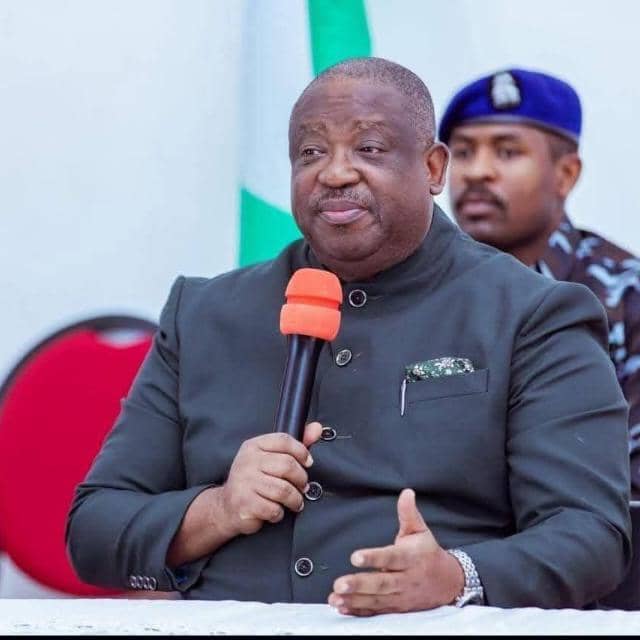
Equally crucial has been the emphasis on teamwork. Transformation in educational institutions rarely happens through the efforts of a single individual; it requires shared responsibility, transparent governance, and collective ownership of goals. Through intentional collaboration with the Polytechnic’s governance and management structures, the administration has worked to enhance internal coordination while promoting accountability in executing its initiatives.
The role of the Governing Council, led by Prof. Hayward Mafuyai, has also been crucial in providing strategic oversight and direction. Together with the Deputy Rectors, Registrar, Bursar, Deans, Directors, and both academic and non-academic staff, they have worked hard to create an environment conducive to meaningful reforms. Their combined efforts illustrate a fundamental principle in higher education: lasting transformation does not arise from individual personalities but from institutions functioning as cohesive systems.
As we take stocks on Dr. Chirman’s first year, it’s essential to we do not merely assess the passage of time but whether it has successfully rekindled confidence in Plateau State Polytechnic’s ability to enhance its academic mission, modernise its infrastructure, and adapt to the changing demands of technical education in Nigeria.
From the advancements we’ve observed over the past year, the outlook appears bright. The groundwork for renewal has been laid. The key question now is how this revived confidence will manifest in visible changes across the Polytechnic’s campuses and whether these changes signal the beginning of a profound and lasting transformation.
…A detailed account of the administration’s academical and infrastructural renewal in the past one year forms the second part of this article to be published on sunday